Full moon: dates, rise time and the 2026 supermoon
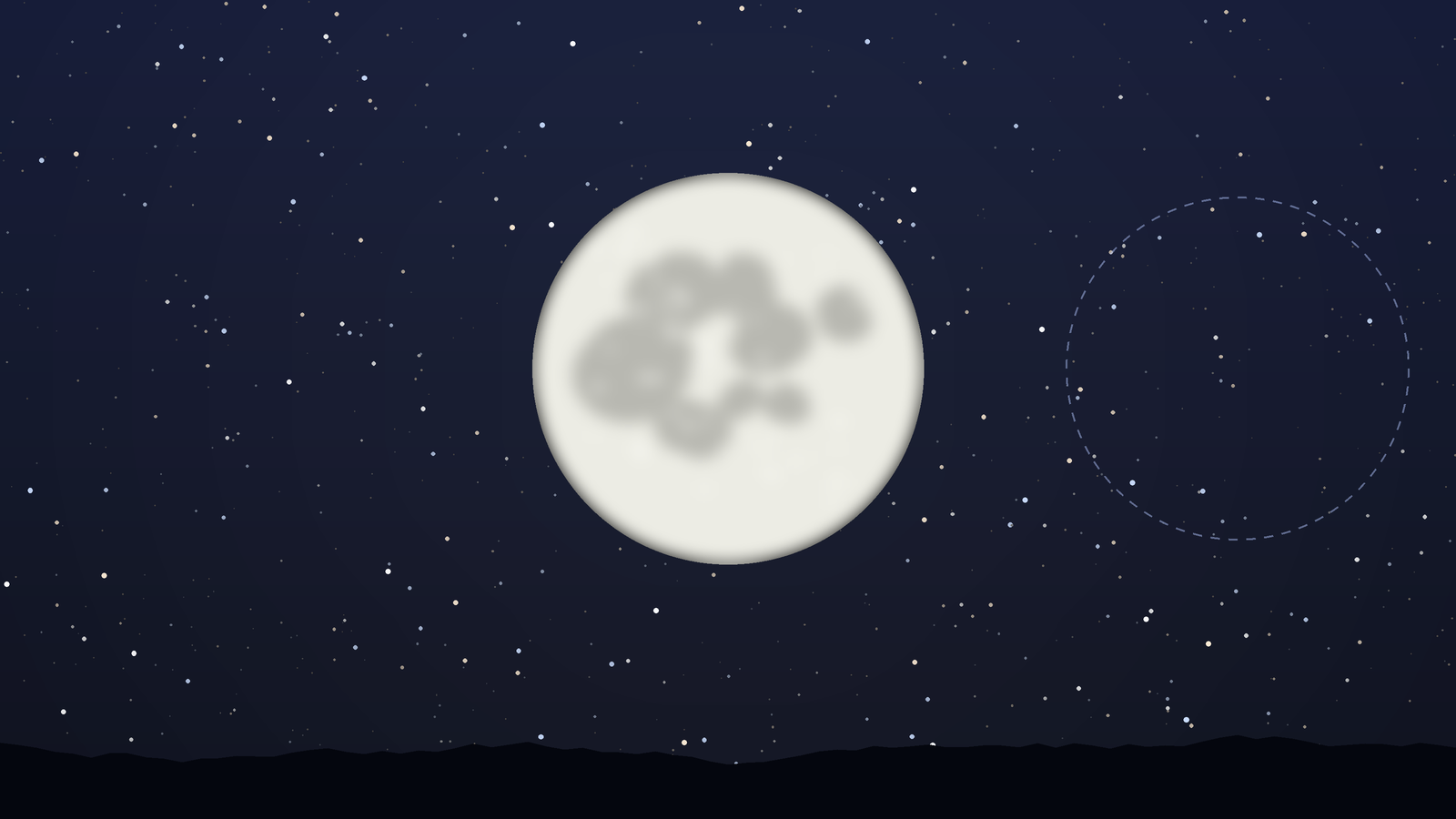
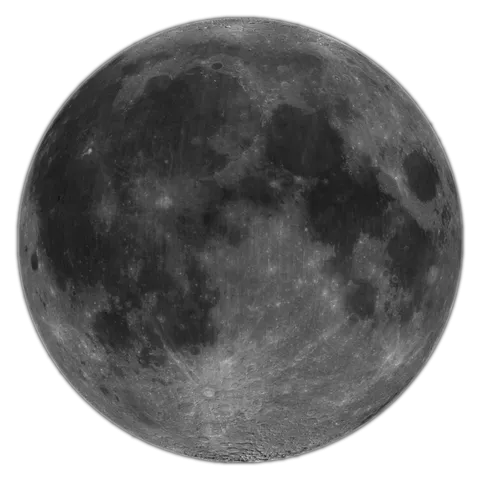
The next full moon is on 24 November 2026 at 3:54 pm in France. Find its rise time, learn why it appears at sunset, and see how the 24 December supermoon differs.
Star finder and star map
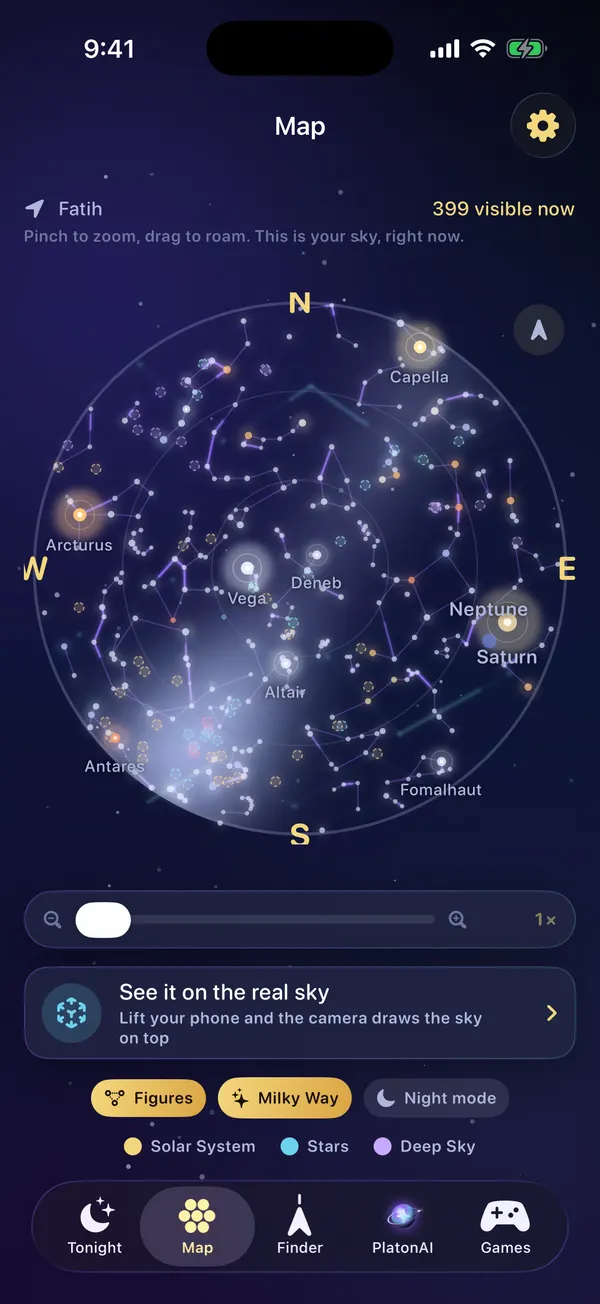
The sky map shows your sky as it is right now and turns with your compass. Tap a star to learn what it is, or search for one and let the app lead you to it.
For iPhone with iOS 18.6 or later
How it works
You see the whole sky above your location, with north, south, east and west marked.
Its card shows the name, how bright it is and when it rises, peaks and sets tonight.
Lift your iPhone and the camera view takes over, with the star marked where it really is.
The free map zooms to 6×. With Pro it goes to 50× and faint stars keep appearing.
Type the name of a star, a planet or a deep sky object and jump straight to it.
Galaxies, nebulae and star clusters from the Messier list, with the place to aim your binoculars.
FAQ
Point your iPhone at it with Planet Finder open. The AR view names the star, and its card tells you more about it.
Yes. The map is computed for your location and the current time, and it turns as you turn.
Yes. Stars and planets are calculated on your iPhone, so the map works without internet.
It might be. Venus, Jupiter, Mars and Saturn are often brighter than the stars near them. The app tells you which is which.
Blog
The next full moon is on 24 November 2026 at 3:54 pm in France. Find its rise time, learn why it appears at sunset, and see how the 24 December supermoon differs.
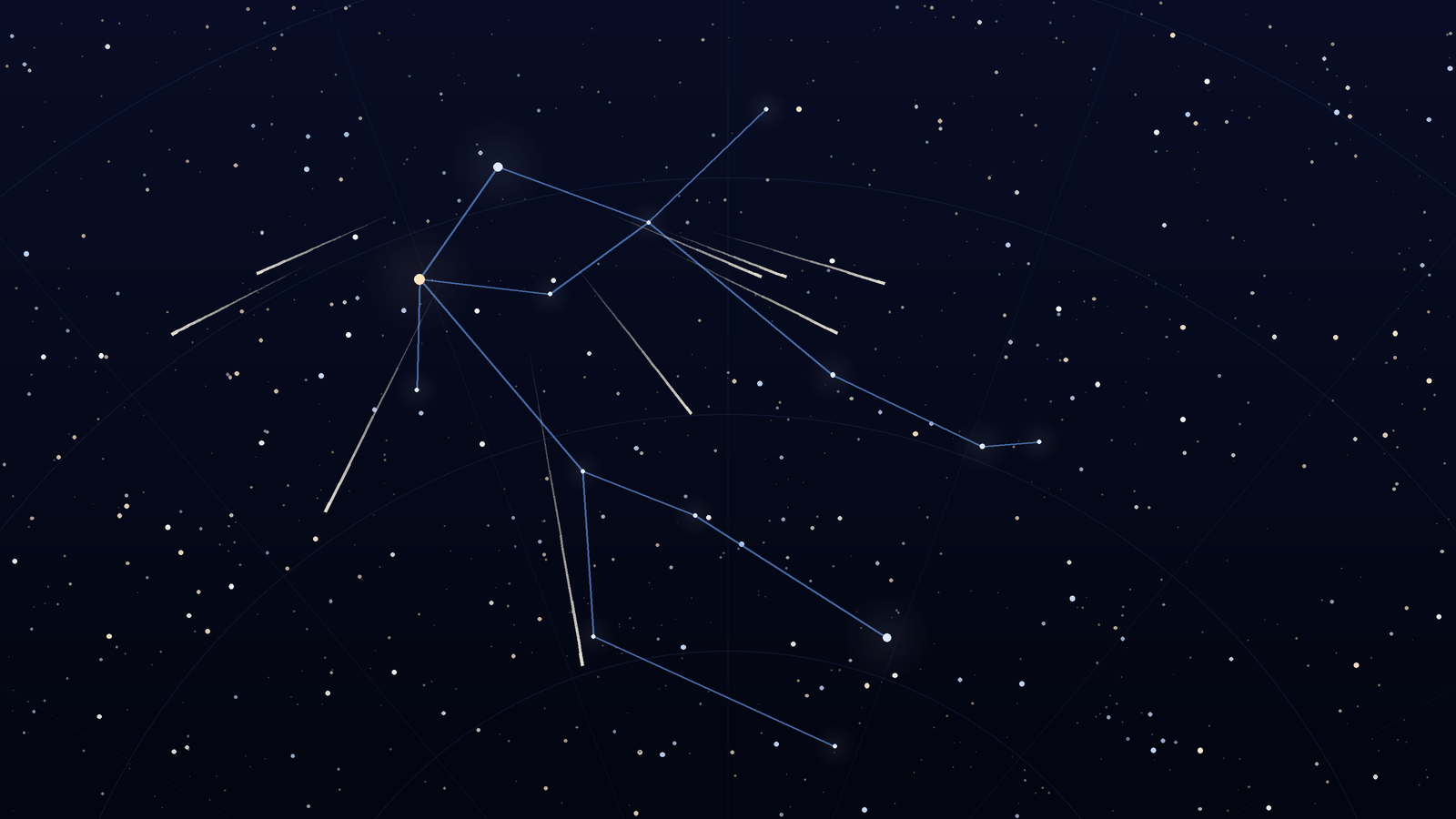
The 2026 Geminids peak on December 13 to 14 under dark skies. Watch from about 9 p.m. to 2 a.m., face Gemini near Castor, and expect bright, slower meteors.
Download Planet Finder for free and find out what is shining above you right now.
For iPhone with iOS 18.6 or later