Full moon: dates, rise time and the 2026 supermoon
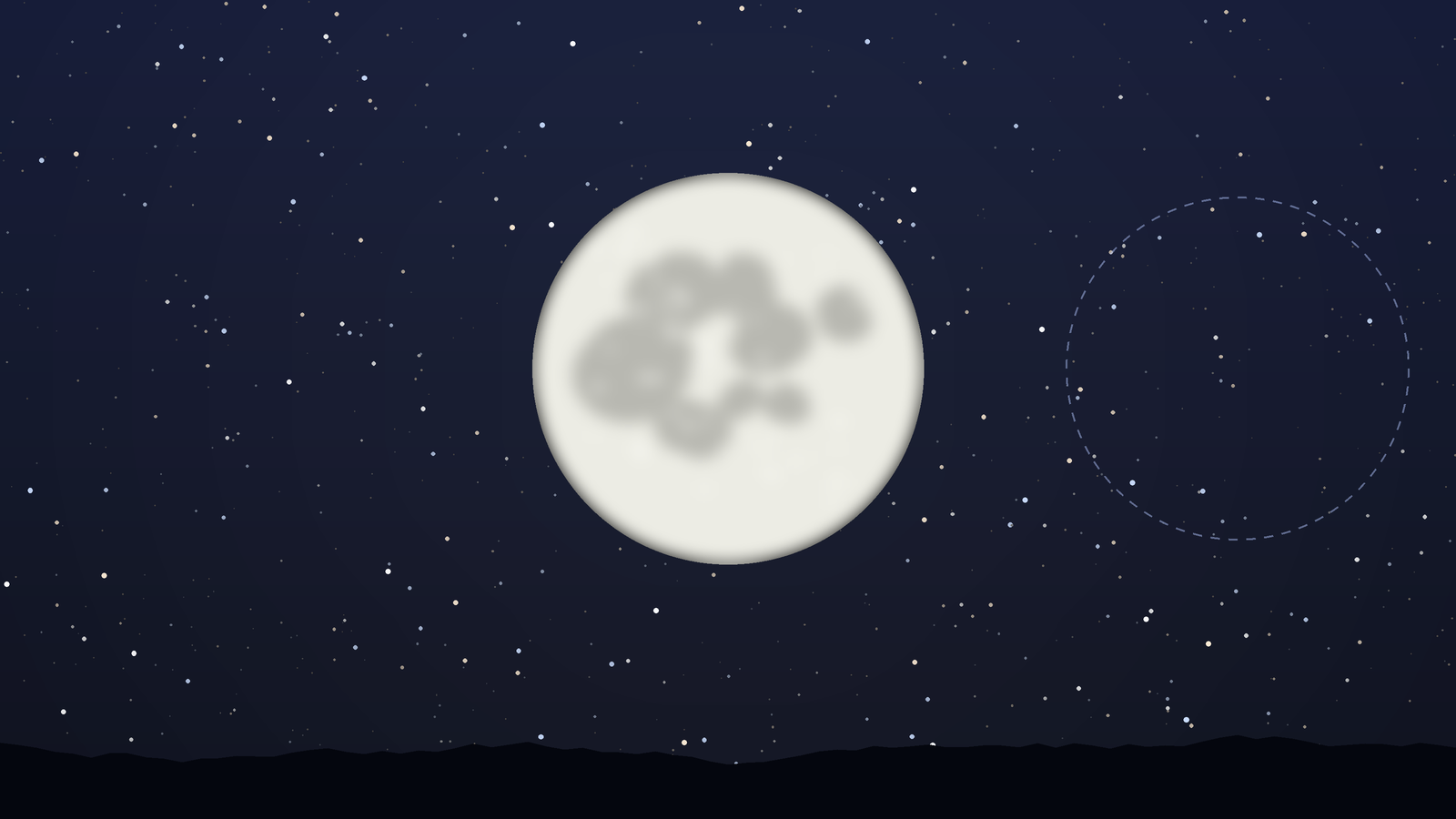
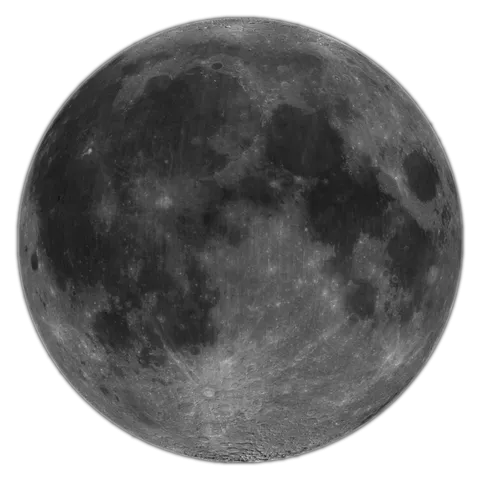
The next full moon is on 24 November 2026 at 3:54 pm in France. Find its rise time, learn why it appears at sunset, and see how the 24 December supermoon differs.
Space today
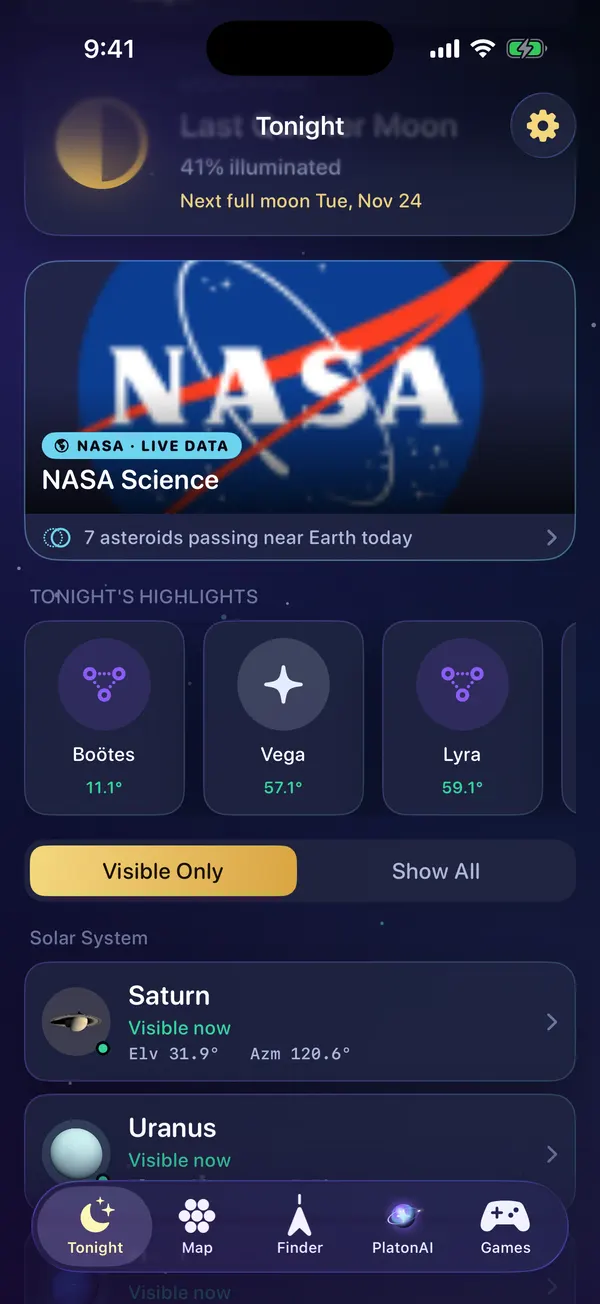
Planet Finder brings NASA's Astronomy Picture of the Day to your Tonight screen, along with the asteroids making a close approach to Earth today.
For iPhone with iOS 18.6 or later
How it works
The Space Today card sits at the top with today's picture.
See the full image, its title and the story behind it.
Tap Have PlatonAI explain it for a short, plain explanation.
How many asteroids pass our planet today, how far away they are and roughly how big.
The photo of the day is part of the free app. Only the PlatonAI explanation needs Pro.
Images and data come from NASA's open APIs and are credited to NASA.
FAQ
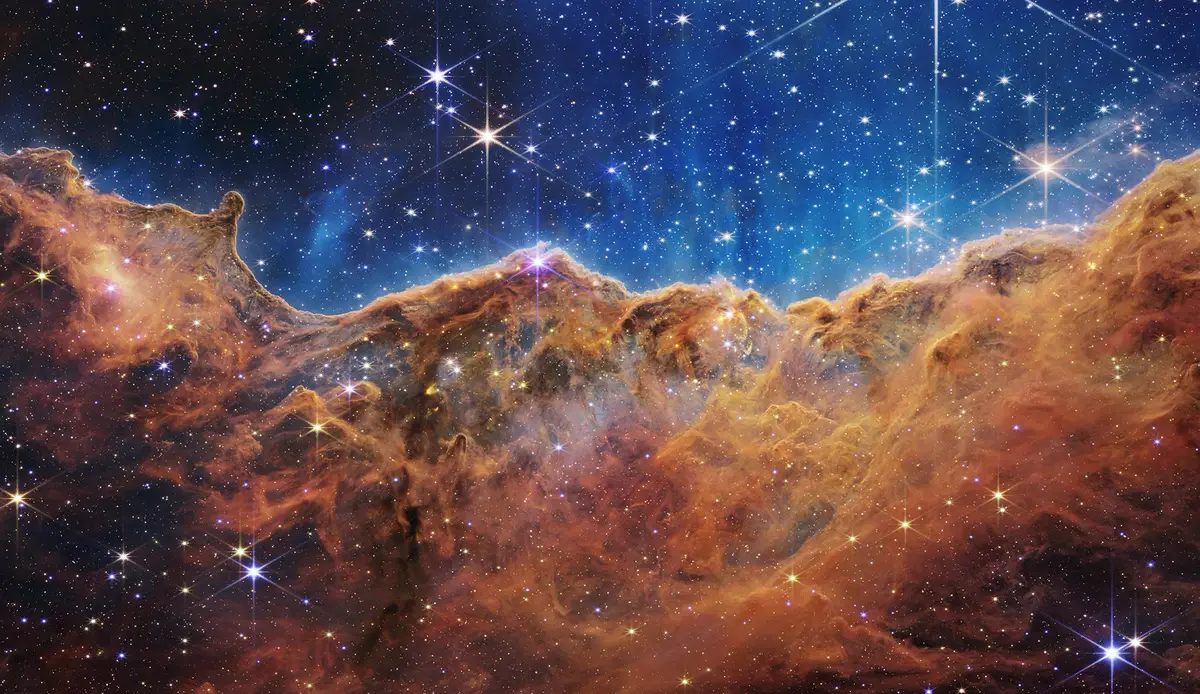
Every day NASA publishes a different image of our universe, with a short explanation written by a professional astronomer. Planet Finder shows it in the app.
Yes. You can see it every day without Pro.
No. Planet Finder is made by Sempeak. It shows images and data that NASA makes available to the public, with credit, and NASA does not endorse the app.
Yes. The picture and the asteroid data are loaded from NASA, so this part needs a connection.
Blog
The next full moon is on 24 November 2026 at 3:54 pm in France. Find its rise time, learn why it appears at sunset, and see how the 24 December supermoon differs.
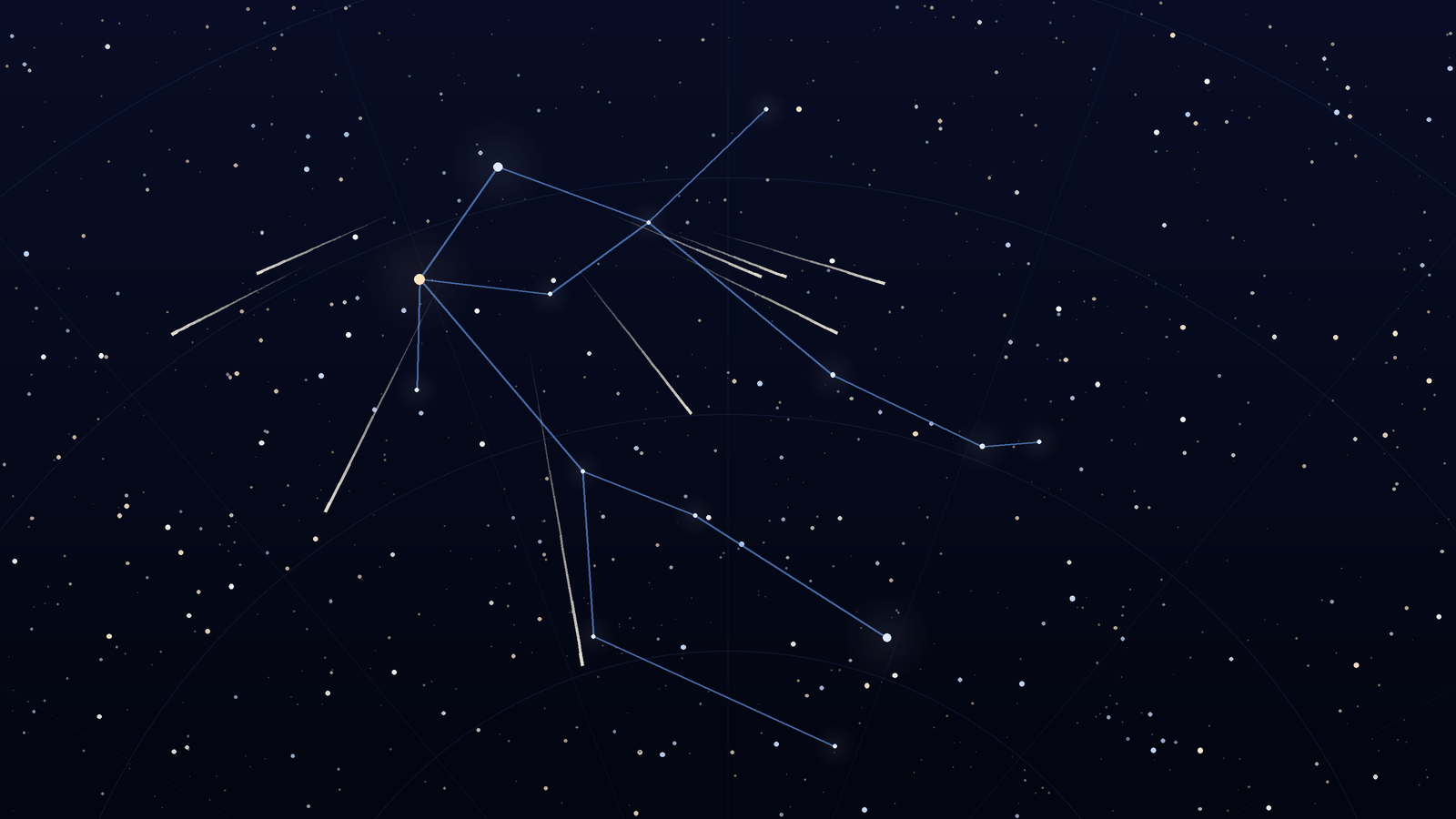
The 2026 Geminids peak on December 13 to 14 under dark skies. Watch from about 9 p.m. to 2 a.m., face Gemini near Castor, and expect bright, slower meteors.
Download Planet Finder for free and find out what is shining above you right now.
For iPhone with iOS 18.6 or later