Full moon: dates, rise time and the 2026 supermoon
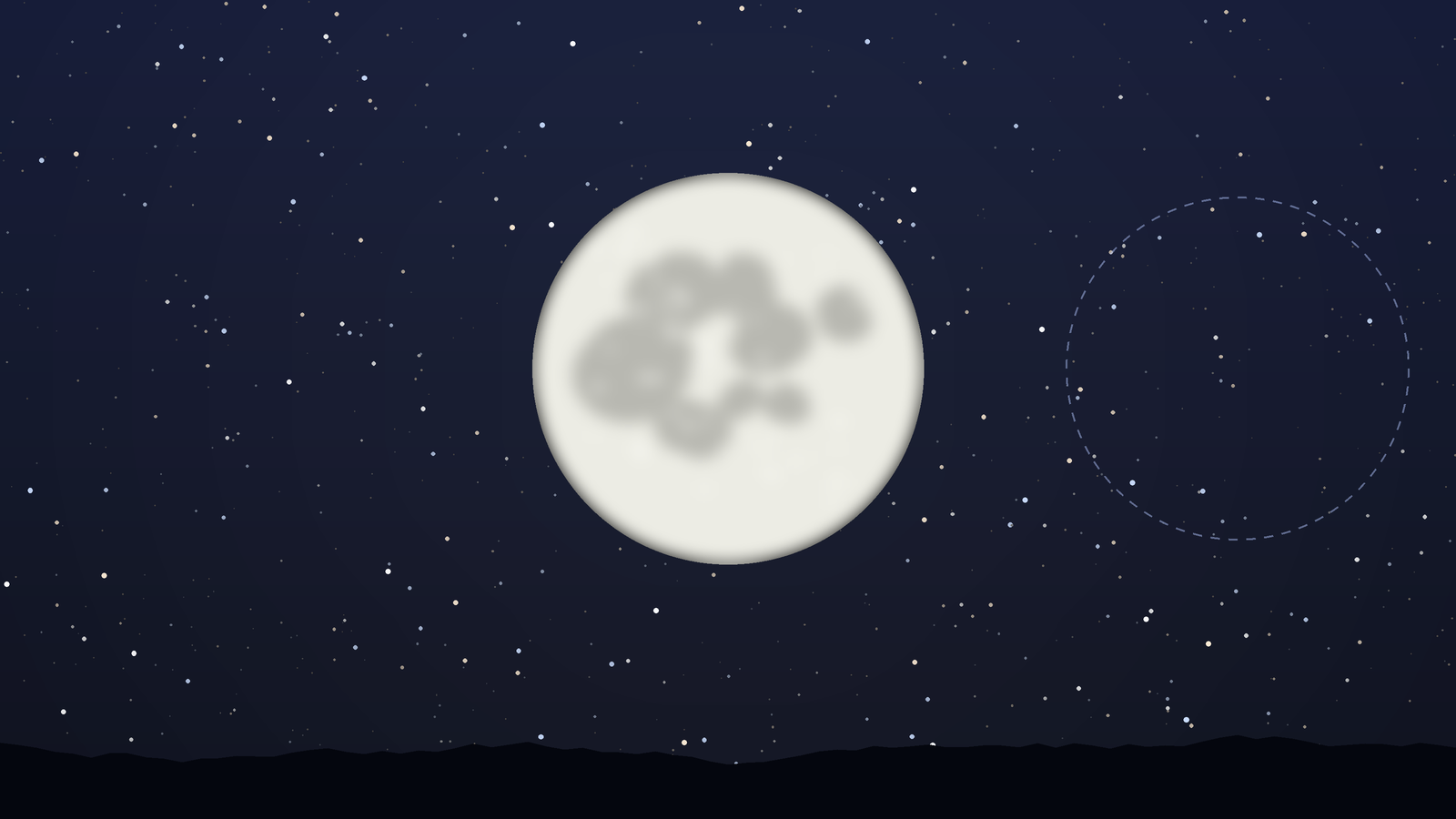
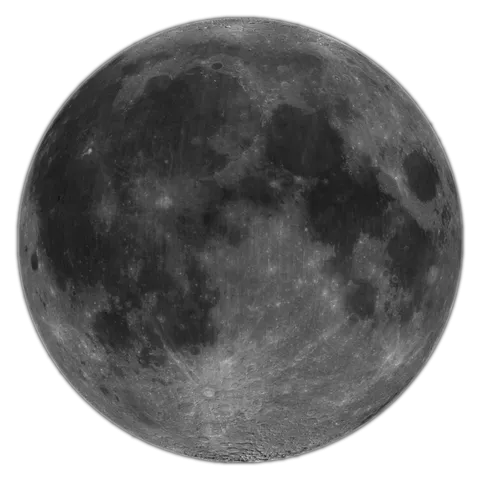
The next full moon is on 24 November 2026 at 3:54 pm in France. Find its rise time, learn why it appears at sunset, and see how the 24 December supermoon differs.
Planets tonight
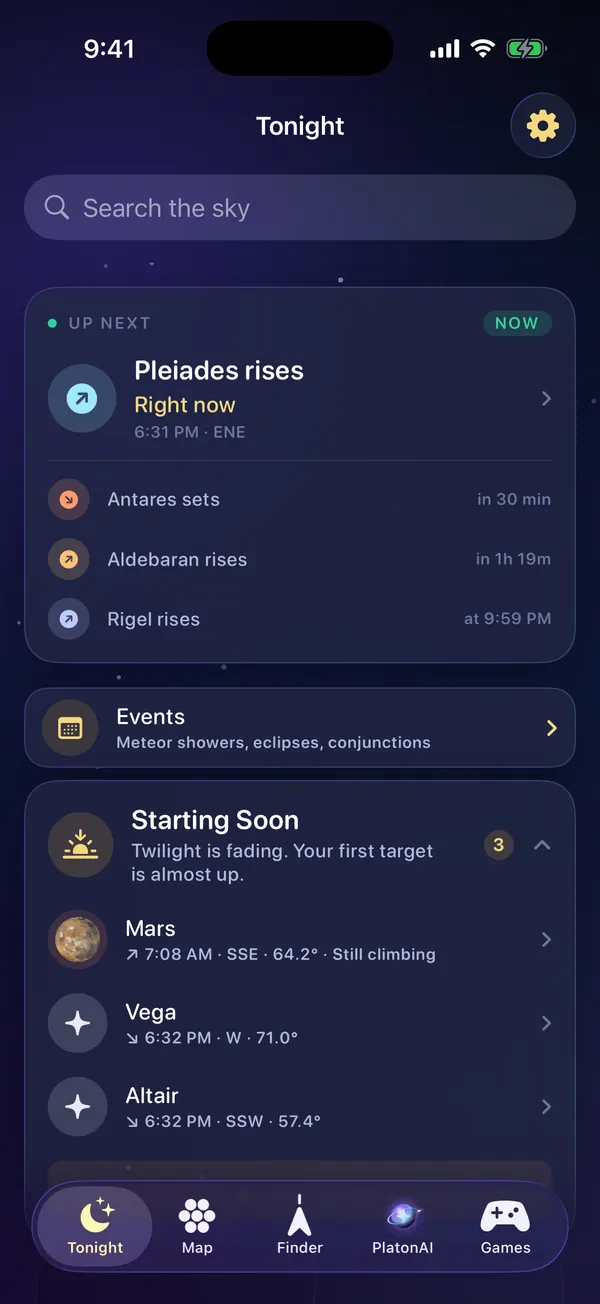
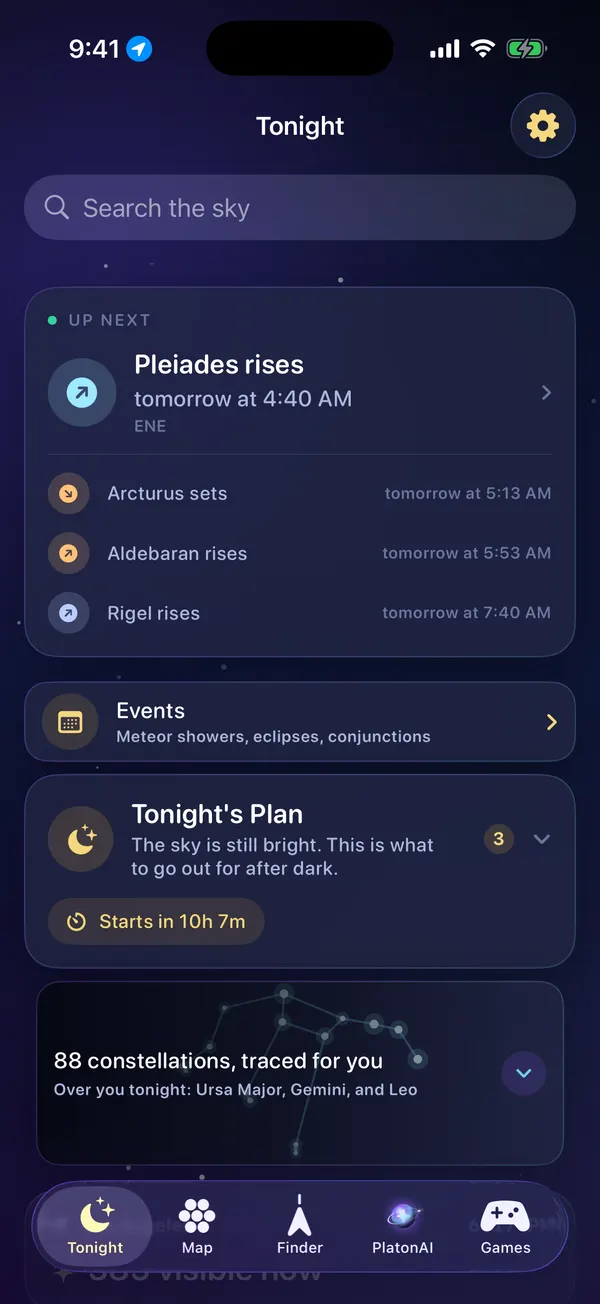
Planet Finder works out the planets above your horizon for your exact location and time, tells you when each one rises and sets, and points you straight to it.
For iPhone with iOS 18.6 or later
How it works
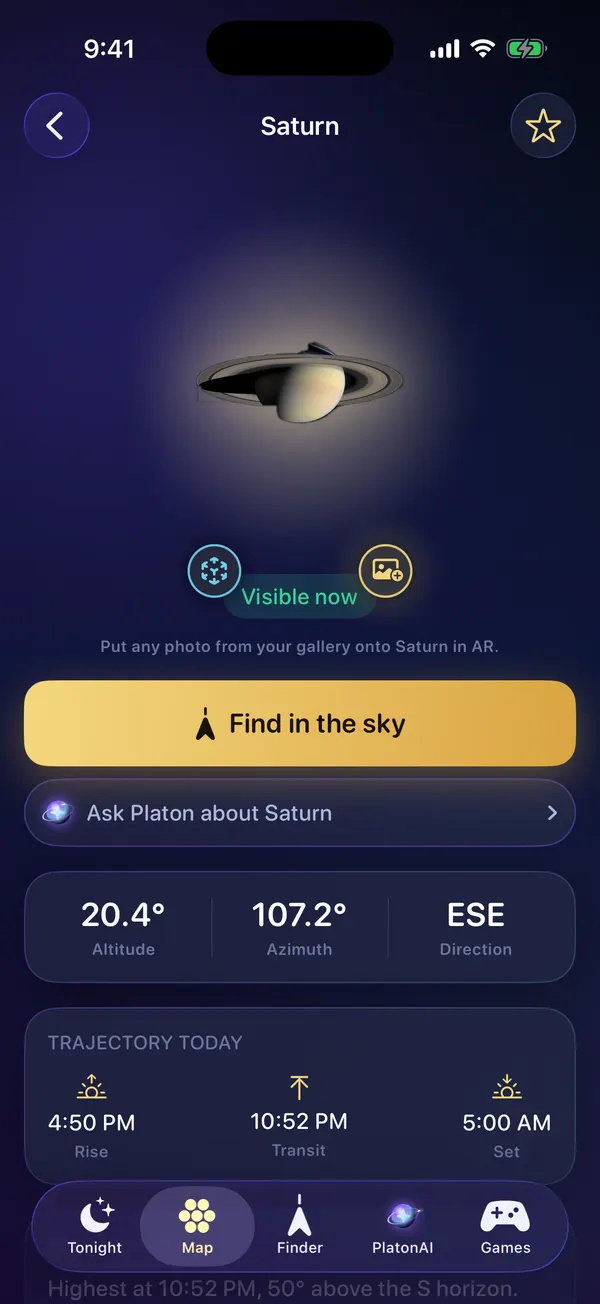
The Solar System list shows every planet and whether it is above your horizon right now.
Tap a planet to see when it rises, when it is highest and when it sets where you are.
Tap Find in the sky, lift your iPhone and follow the arrow to the planet.
Mercury, Venus, Mars, Jupiter and Saturn are bright enough to see with your own eyes when they are up.
A bright, steady light that does not flicker like the stars around it is often a planet.
The two outer planets are too faint for the eye. Binoculars or a telescope help, and the app shows where to aim.
FAQ
It depends on the date and on where you are. Planet Finder computes it for your location and shows which planets are above the horizon now and which rise later tonight.
Open the planet in the app to see its direction and height above the horizon, or tap Find in the sky and let the arrow guide you to it.
Very often it is a planet. Venus and Jupiter outshine every star. Point your iPhone at it and Planet Finder names it.
Yes. The bright planets shine through city lights, so you can find them from a balcony or a street.
Blog
The next full moon is on 24 November 2026 at 3:54 pm in France. Find its rise time, learn why it appears at sunset, and see how the 24 December supermoon differs.
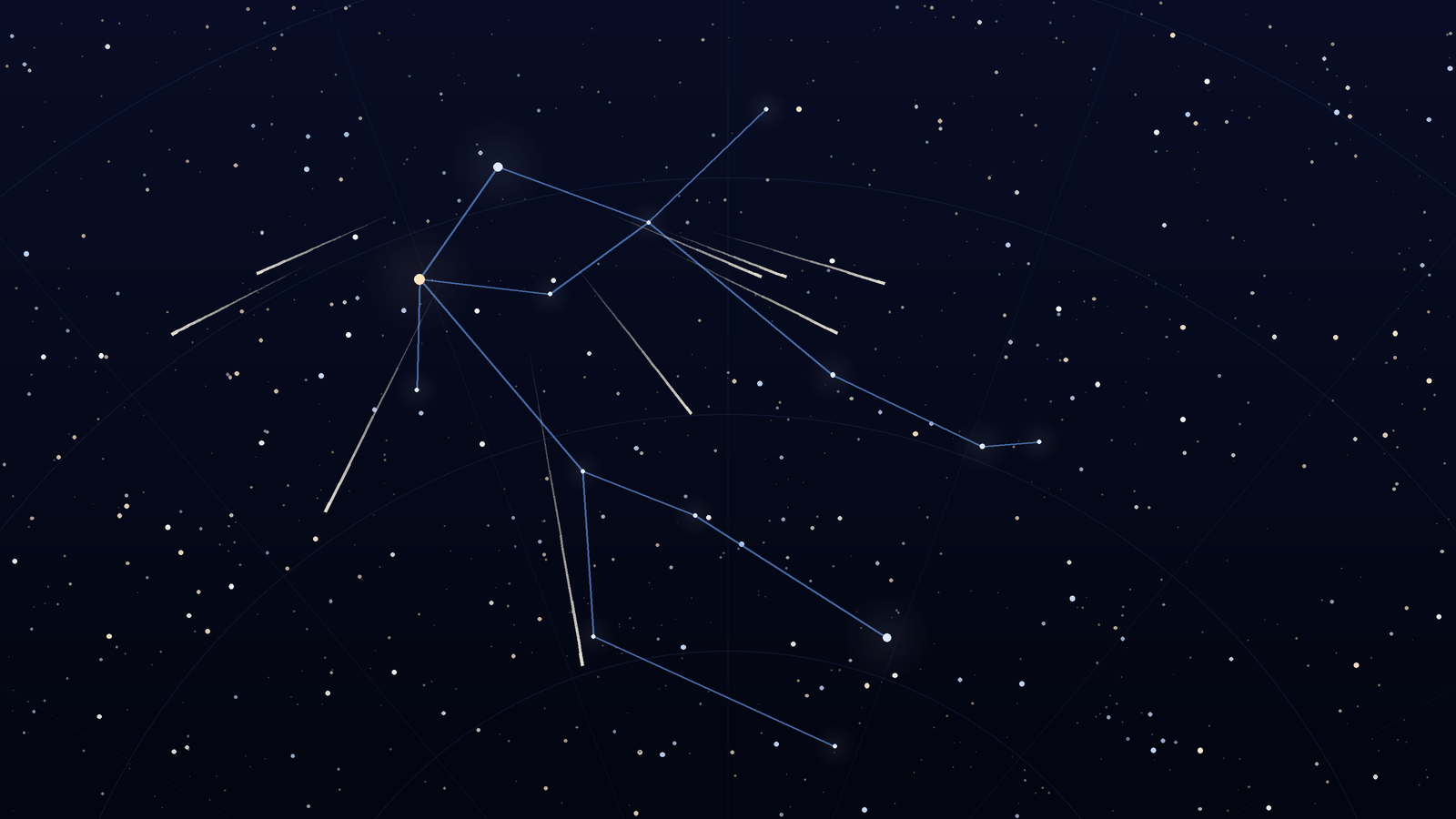
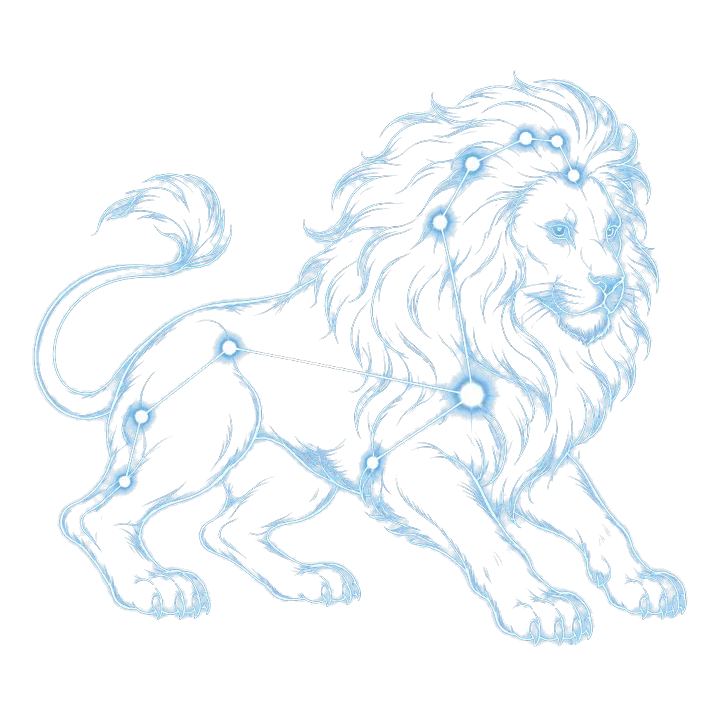
The 2026 Geminids peak on December 13 to 14 under dark skies. Watch from about 9 p.m. to 2 a.m., face Gemini near Castor, and expect bright, slower meteors.
Download Planet Finder for free and find out what is shining above you right now.
For iPhone with iOS 18.6 or later