Full moon: dates, rise time and the 2026 supermoon
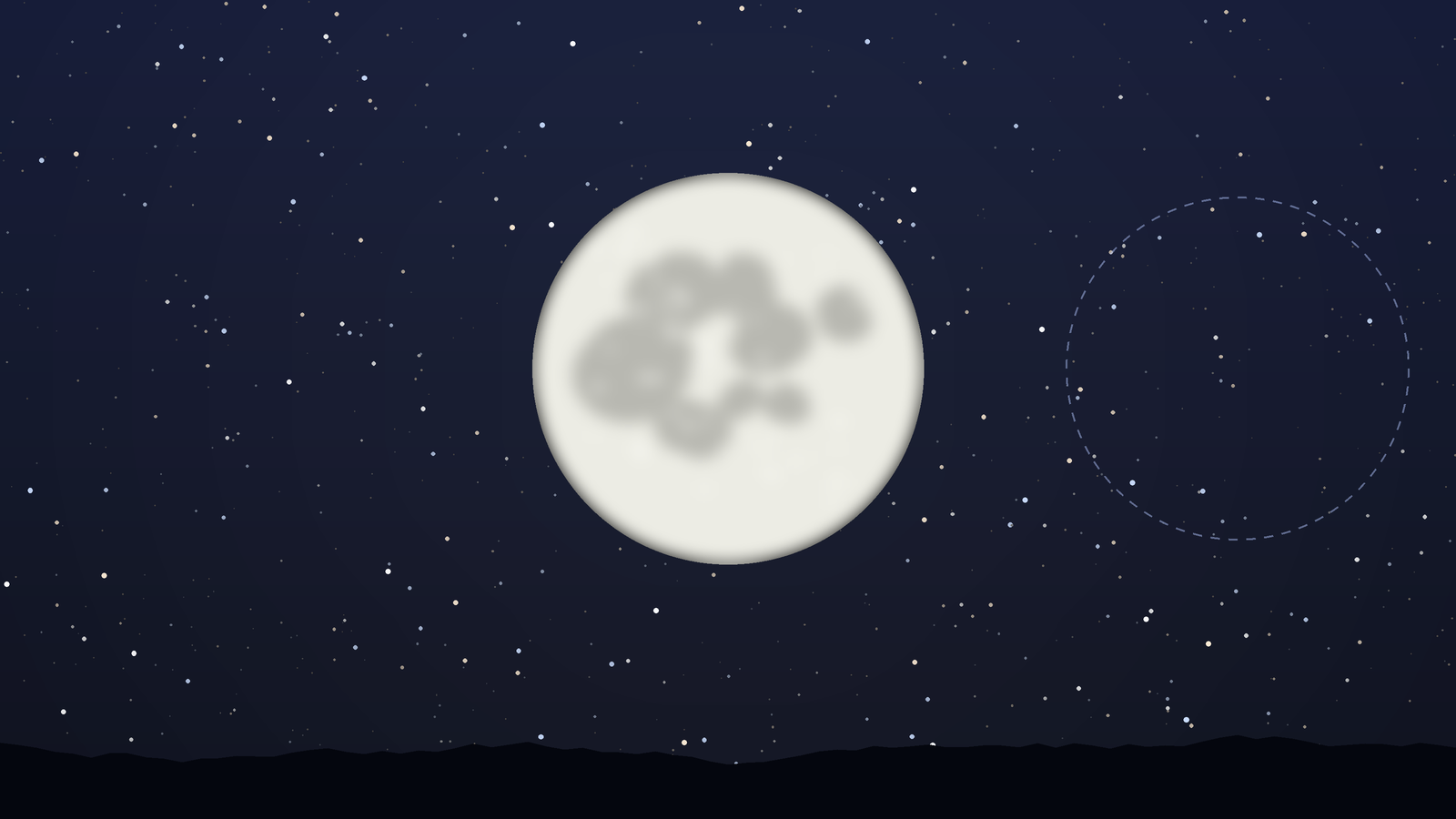
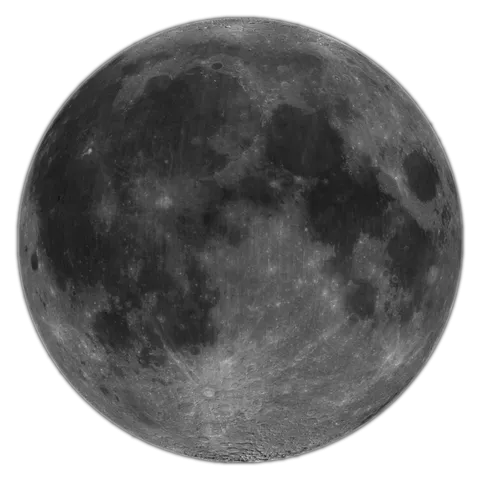
The next full moon is on 24 November 2026 at 3:54 pm in France. Find its rise time, learn why it appears at sunset, and see how the 24 December supermoon differs.
Constellation finder
All 88 constellations are traced for you, with their lines and their classic figures. Point your iPhone up to see which one you are looking at, or pick one and be guided to it.
For iPhone with iOS 18.6 or later
How it works
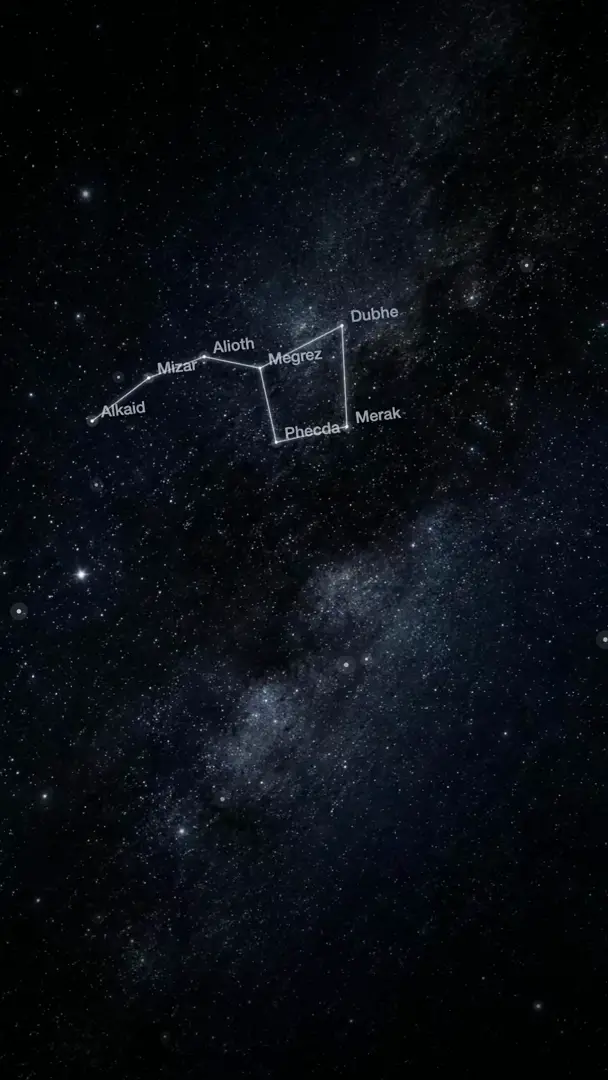
Lift your iPhone toward a group of stars. The app draws the constellation they belong to and shows its name.
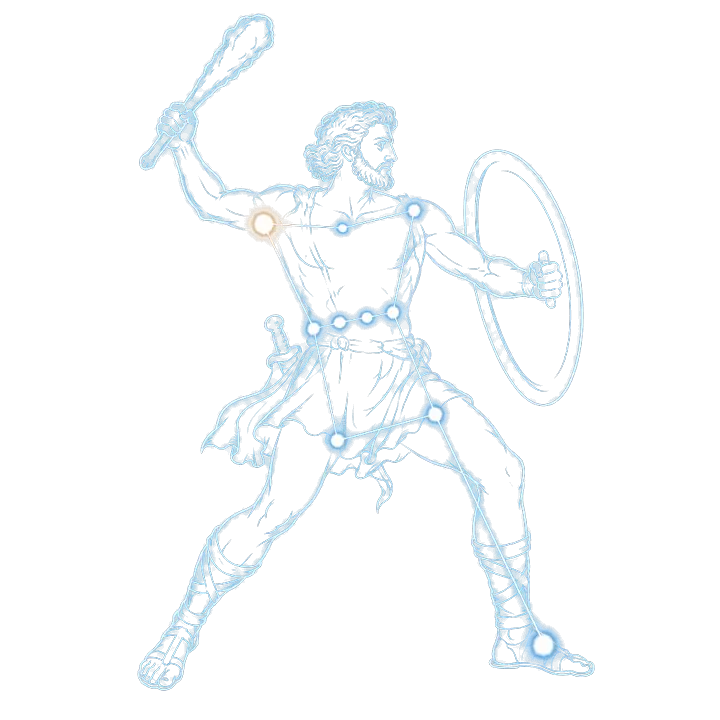
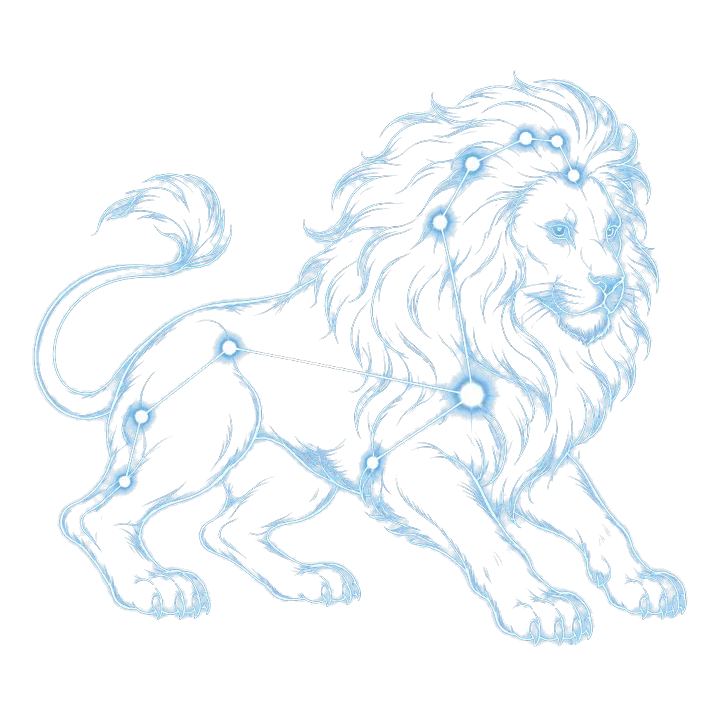
Open Layers and switch on constellation art to see the bear, the hunter or the scorpion over the stars.
Choose a constellation as your target and the arrow leads you to it, or tells you when it rises.
Seven bright stars in Ursa Major, visible all year from most northern places. Two of them point to the North Star.
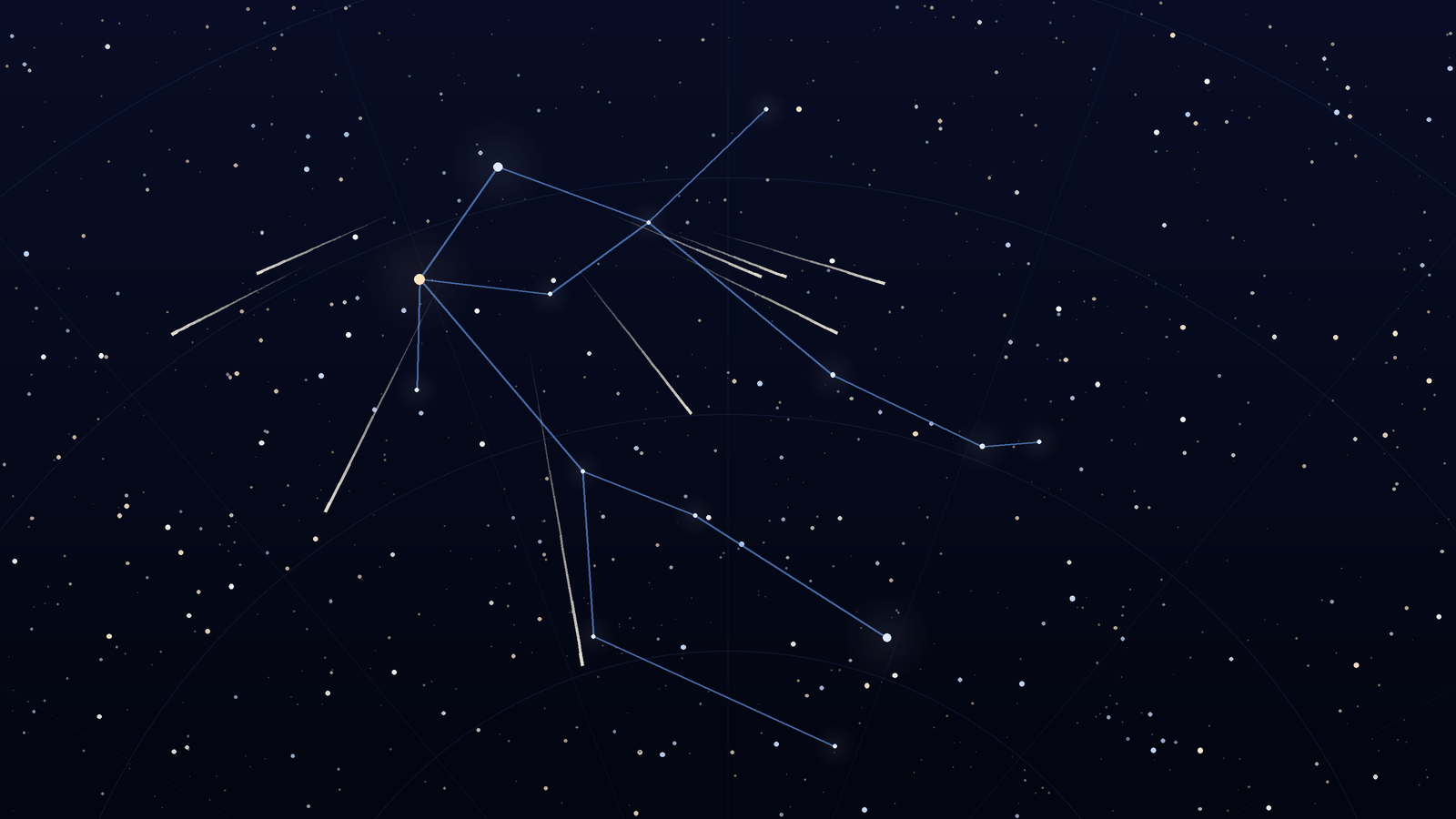
The hunter with the three star belt rules winter evenings in the north and summer evenings in the south.
A long curve of stars with red Antares at its heart, low in the south on northern summer nights.
FAQ
Open Planet Finder, lift your iPhone toward the stars and the app draws the constellation lines and names over the camera view.
That depends on your location, the date and the hour. The app lists the constellations above your horizon now and shows them on the sky map.
There are 88 official constellations. Planet Finder includes all of them.
You can explore the sky map and the brightest constellations for free. Pro opens all 88 as AR targets with full details.
Blog
The next full moon is on 24 November 2026 at 3:54 pm in France. Find its rise time, learn why it appears at sunset, and see how the 24 December supermoon differs.
The 2026 Geminids peak on December 13 to 14 under dark skies. Watch from about 9 p.m. to 2 a.m., face Gemini near Castor, and expect bright, slower meteors.
Download Planet Finder for free and find out what is shining above you right now.
For iPhone with iOS 18.6 or later